
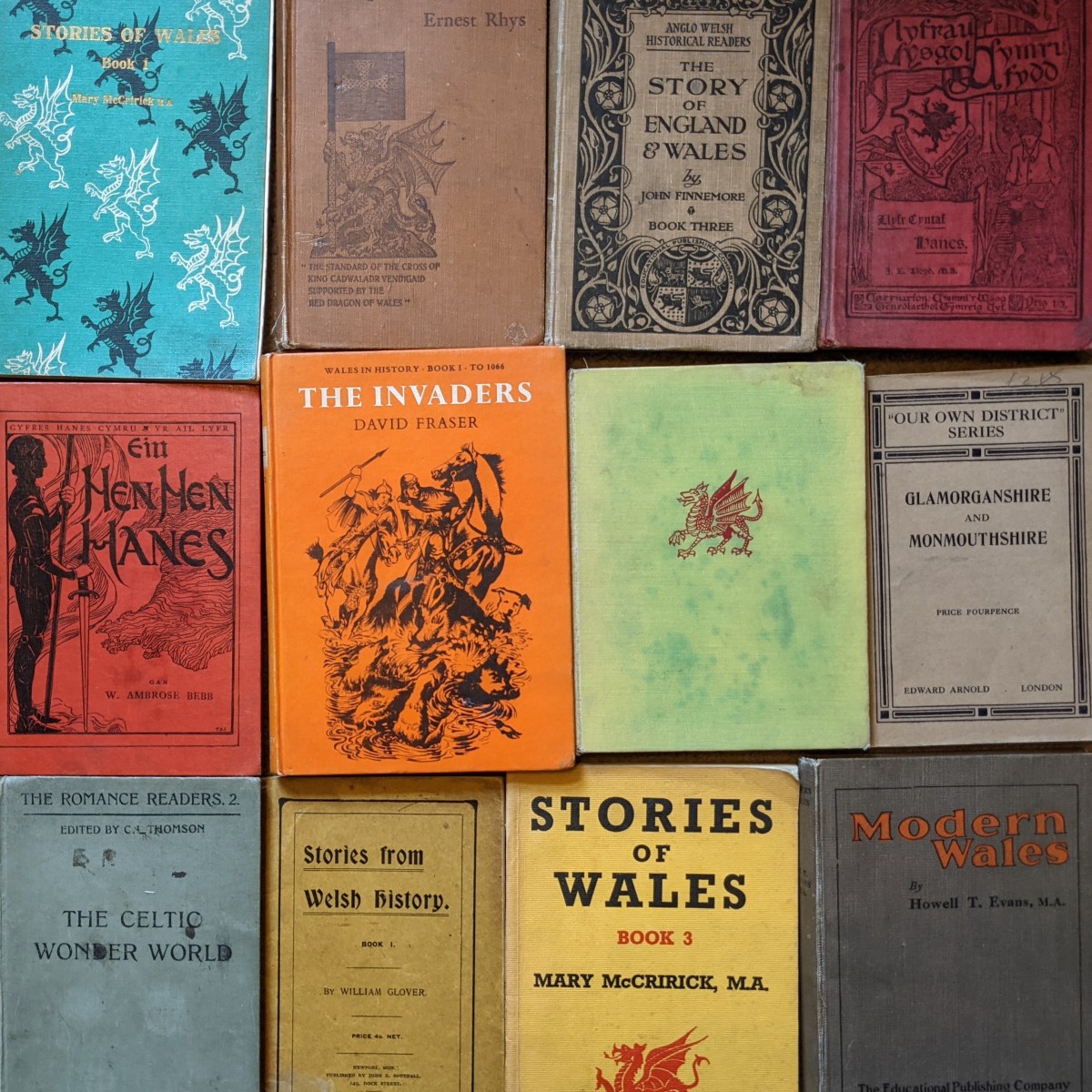
Why Welsh history matters
History is not easy. It’s not about learning dates and facts; it’s about understanding, understanding why things happened, what they meant, what they led to. This isn’t straightforward. It can require challenging preconceptions, reading between the lines and being critical of the evidence before us. It requires empathy, imagination and creativity as we put ourselves…

School Resources about the Welsh Not
Thanks to an AHRC Impact Acceleration Account grant, a suite of learning resources for schools have been created based my book on the Welsh Not. The learning resources can be found here: https://welshnot.swansea.ac.uk/ A short animated film explaining the Welsh Not can be watched below. Click on cc for English subtitles. The website will be…
Christmas Day Football
Christmas football was originally rooted in a wider tradition of communal entertainments on the 25th. While for the Victorian middle class, Christmas was a festival of the home, for the workers, who lived in cramped, overcrowded housing, getting out was often more important. Football, pantomimes, informal gatherings, community rituals and traditions all provided people with…

One syllable: Splott
This essay was first published in the programme for the National Theatre’s 2023 production of Romeo and Julie by Gary Owen. The most memorable thing about the Cardiff district of Splott is its name. Even in Cardiff, it’s sometimes the subject of some mirth. Outside the city, it can draw derision and act as another…

A brief history of Welsh football through the 1970s Admiral Shirt
Image credit: The Welsh Football Collection, Wrexham County Borough Museum & Archives. This cotton Wales football shirt was worn by Nick Deacy of PSV Eindhoven in an under 21s international match against Scotland in 1977. The two nations had been competing against each other since 1876, making it the second oldest international fixture in world…
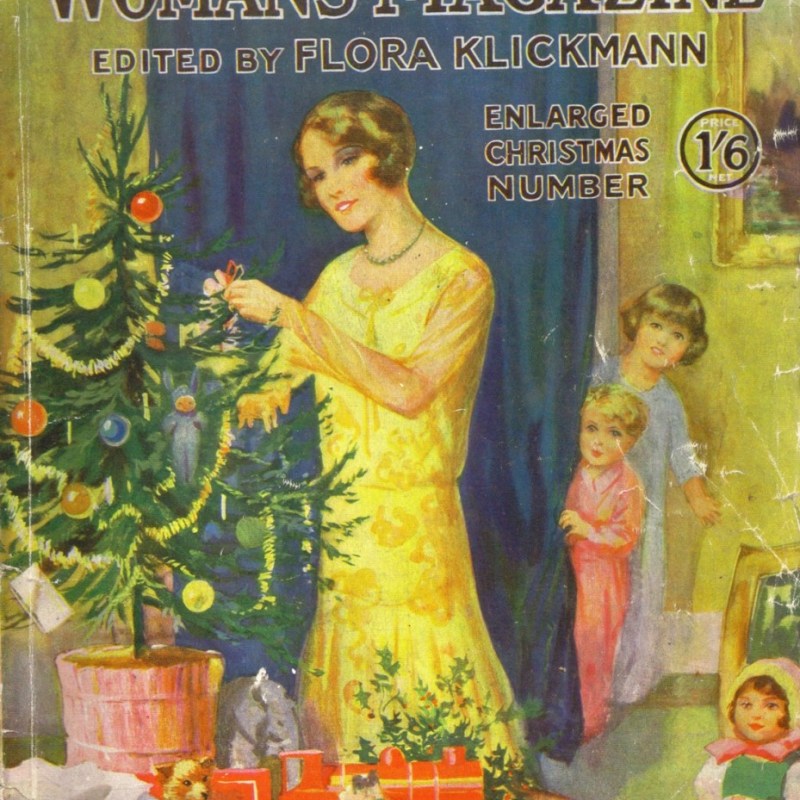
Christmas and Mass Observation: Studying Traditions, Emotions and People
By the time Mass Observation was established in the 1930s, Christmas had become an integral part of British culture. Although its form and meaning varied between individuals and classes, it was something that everyone interacted with in one way or another. It upset and angered some but more often Christmas was a moment of joy,…
Something went wrong. Please refresh the page and/or try again.

