
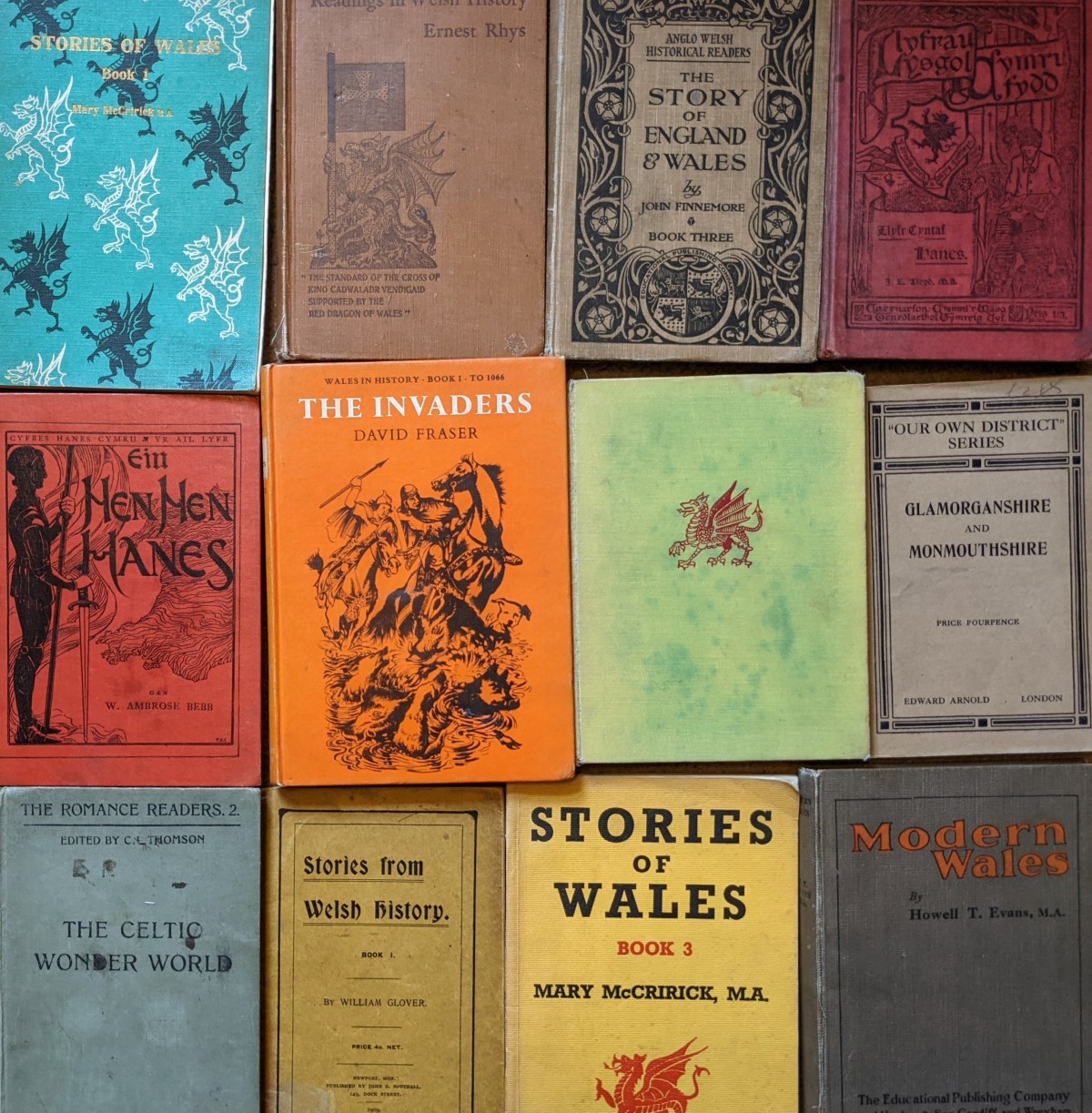
History is not easy. It’s not about learning dates and facts; it’s about understanding, understanding why things happened, what they meant, what they led to. This isn’t straightforward. It can require challenging preconceptions, reading between the lines and being critical of the evidence before us. It requires empathy, imagination and creativity as we put ourselves in the shoes of others to try and see the world as they did, as we try to fill in the gaps of what we don’t and can’t know about the past.
But doing this, thinking like a historian, is a life skill. It means understanding what questions need asking; it mean constantly learning and challenging. History is a mindset helps us make better decisions, as individuals and as a society.
Yet history isn’t there to tell us what to do. The past is messy and complex. It can be read in so many different ways, which means its lessons are uncertain and open to interpretation. The history of Wales, for example, can be told as a story of oppression and exploitation by England but also as a story of partnership where both countries were tied together to the mutual benefit of both. Both these interpretations are valid and history should thus remind us that nothing is ever simple. It should encourage us to be critical of anyone who suggests there are easy answers to society’s complex problems.
History might not tell us what to do but it can inspire. Its stories of triumph over adversity can encourage us to have high aspirations, to dream, to seek to be best we can be, as individuals and as a nation. History is a reminder that we should value our democratic rights, rights that we have because people fought and campaigned for them, often against the odds and the entrenched powers of authority.
The complexity of the past should also encourage us to not be afraid of complexity today. Diversity, division, uncertainty and change are not things to be afraid of but constant features of our past. But history can also remind us that nothing is inevitable. Things are the way they are because of decisions taken in the past. Societies change and evolve. We can change the world we live in, just as those who came before us did.
It shouldn’t take a geography lesson to know that Wales is not an island. But this is a historical as well as geographical fact. People from Wales have travelled the world. People from across the globe have made their homes in Wales. Welsh coal, copper, iron, steel, and wool has been sold on many continents. The Welsh have consumed products from afar too, from Mediterranean luxuries 2,000 years ago to the high-tech phones in our pockets today. Global events, from wars to recessions to climate change, have shaped Welsh society. Twice Wales has been part of vast empires, once Roman and once British.
The Welsh have always been global citizens and that’s why Welsh history isn’t narrow or parochial. Welsh history is about our neighbourhoods, our towns and cities, our nations and the world itself.
Martin Johnes is Professor of Welsh History at Swansea University
This text and the picture is published under a Creative Commons Attribution-No Derivatives licence. This means you can republish it elsewhere provided that the original text is not changed and that I’m credited as author. If you do republish it, please let me know on m.johnes@swansea.ac.uk


